Expert Tips for Choosing the Best Insulation for Your New Home Aug 16, 2026
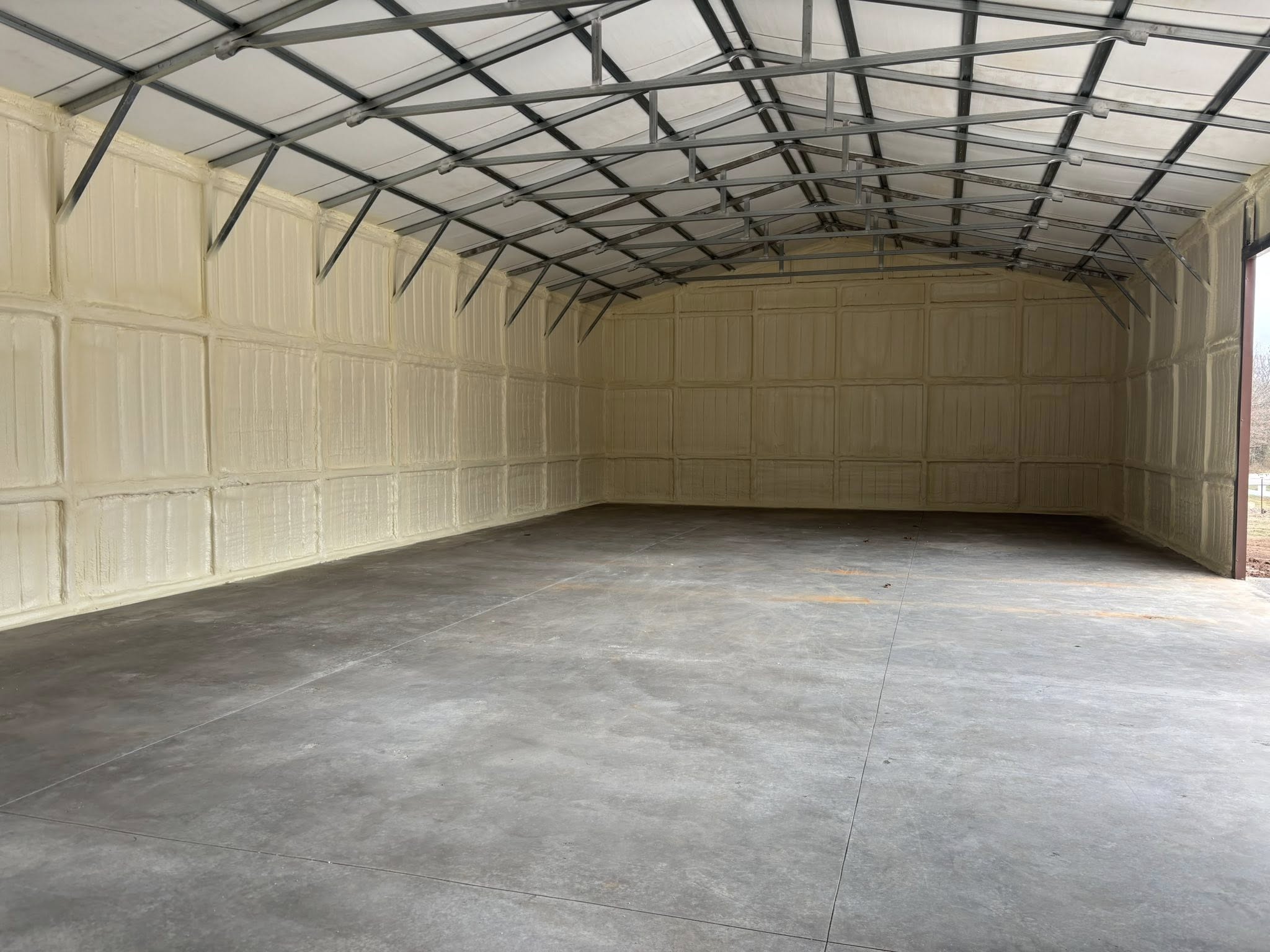
First, consider the different types of insulation available. The most common types include fiberglass, spray foam, cellulose, and rigid foam. Each type has its advantages and drawbacks, so it's important to match the insulation type with the specific requirements of your home. For instance, fiberglass insulation is widely used due to its affordability and effectiveness, especially in attics and wall cavities. Spray foam insulation provides excellent air sealing and is suitable for hard-to-reach spaces, though it tends to be more expensive. Cellulose insulation, often made from recycled materials, is eco-friendly and works well in attic floors and wall cavities. Rigid foam insulation is particularly efficient in exterior walls and basements, offering high thermal resistance.
Next, evaluate the R-value requirements for your home’s insulation. The R-value measures the insulation’s ability to resist heat flow, and the higher the R-value, the better the insulation will perform. The ideal R-value depends on your home’s location, climate, and the specific area you’re insulating. A home in a colder climate will require insulation with a higher R-value compared to one in a milder climate. Consult local building codes and guidelines to determine the recommended R-values for different parts of your home.
When selecting insulation, it's crucial to consider the installation process. Some types of insulation are more DIY-friendly, such as batt or roll fiberglass, while others, like spray foam, typically require professional installation. Improper installation can lead to reduced effectiveness and even damage to your home. 7C Insulation provides expert installation services to ensure your insulation performs optimally.
In addition to performance, consider the environmental impact of your insulation choice. Many homeowners are opting for eco-friendly insulation options to reduce their carbon footprint. Materials like cellulose are made from recycled paper and have a low environmental impact. Spray foam insulation, while effective, uses chemicals that may not be environmentally friendly, so it’s essential to weigh the pros and cons.
Furthermore, don't overlook the importance of fire resistance and air quality. Some insulation materials have better fire resistance properties, which can be crucial for safety. Additionally, certain types of insulation, such as spray foam, can emit volatile organic compounds (VOCs) during installation. If indoor air quality is a concern, look for insulation products that have low VOC emissions and are certified to be safe for air quality.
In conclusion, selecting the best insulation for your new home requires careful consideration of various factors, including type, R-value, installation, environmental impact, and safety. 7C Insulation is here to help you navigate these choices and provide expert guidance to ensure your home is efficiently insulated, comfortable, and safe. Proper insulation not only boosts your home's energy efficiency but also enhances indoor comfort and lowers utility bills, making it a worthwhile investment for any new homeowner. Consult with our experts today to explore the insulation options best suited for your new home.
/filters:no_upscale()/filters:format(webp)/media/f8a5e058-a62d-41ce-9049-4ba805e9ca5b.jpeg)