The Essential Guide to Choosing the Right Insulation Material for Your Home Jul 06, 2026
First, let's explore why insulation is essential. It plays a key role in maintaining your home's temperature, reducing heat loss in winter and keeping your home cool in summer. Proper insulation also contributes to soundproofing, making your living environment more peaceful. Additionally, good insulation can lower your energy bills by decreasing the need for constant heating and cooling.
When choosing insulation, consider the different types available. Common insulation materials include fiberglass, cellulose, spray foam, and rigid foam. Each has its unique properties, advantages, and potential drawbacks. Understanding these can help you identify which material best matches your requirements.
Fiberglass insulation is widely used due to its affordability and effectiveness. It's made from fine glass fibers and is typically available in batts or rolls. Fiberglass is fire-resistant and doesn't absorb water, making it ideal for areas prone to moisture. However, it requires precise installation to be effective, as gaps or compression can reduce its insulating properties.
Cellulose is another popular option, made from recycled paper products. It's treated to resist fire, mold, and pests, making it an excellent eco-friendly choice. Cellulose can be blown into walls and attic spaces, providing comprehensive coverage. Its higher density compared to fiberglass means better air sealing, but it can settle over time, requiring occasional maintenance.
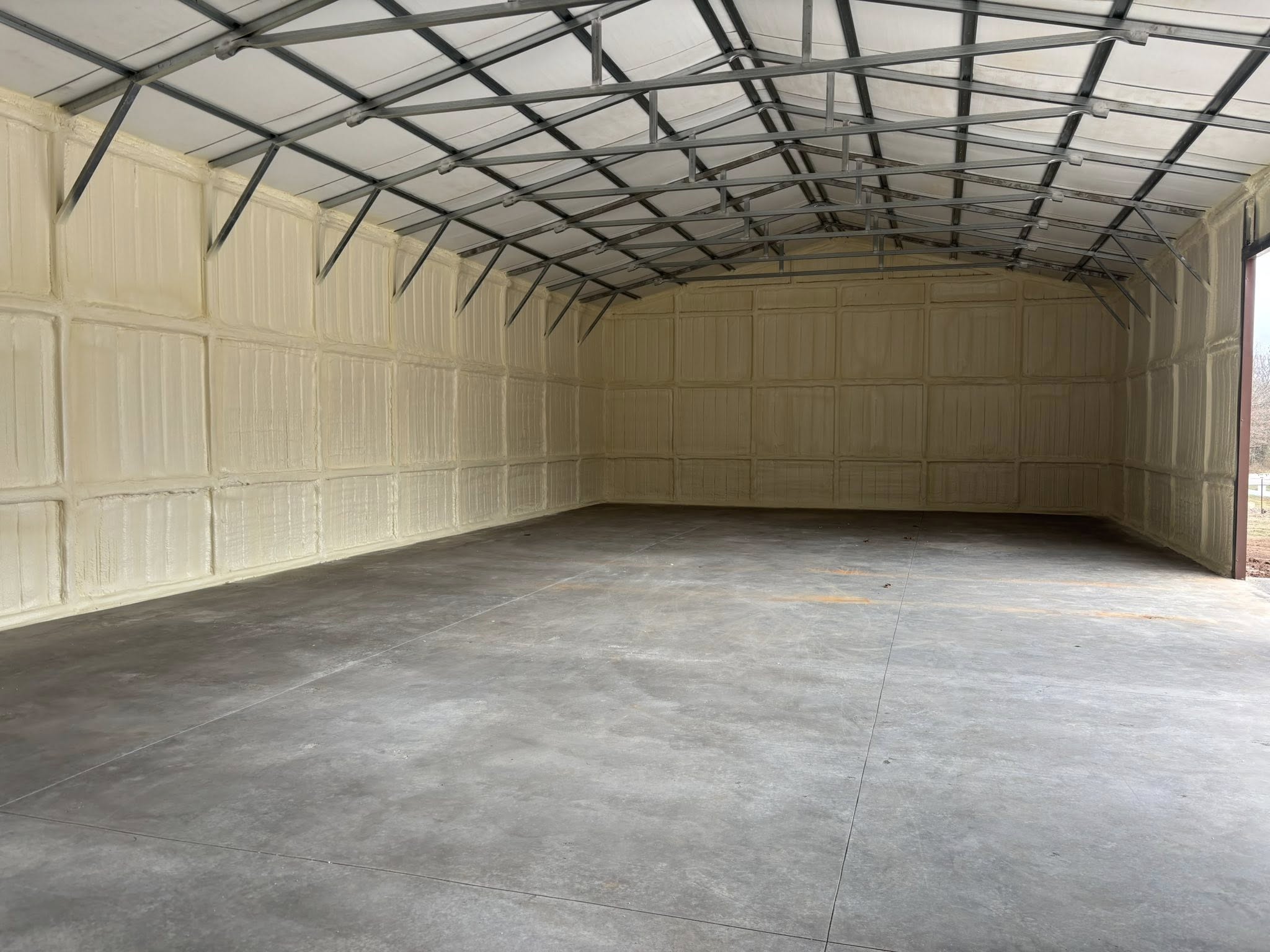
Spray foam insulation provides a high R-value, the measure of thermal resistance, and it expands to fill gaps and cracks, sealing against drafts effectively. It's an excellent option for hard-to-reach spaces and offers superior moisture barrier properties. However, spray foam tends to be more expensive, and installation is more complex, often requiring professional service.
Rigid foam panels offer high insulating values with minimal thickness, making them suitable for areas like basement walls and exterior sheathing. They are moisture-resistant and can add structural strength to your walls. Choose from foam types such as polystyrene and polyurethane, each with varying R-values and costs.
Before making a decision, assess the specific needs of your home. Factors such as climate, the age of the property, and existing insulation condition must be considered. In cooler climates, a higher R-value is essential for effective insulation. Moreover, older homes might require a thorough evaluation to determine additional insulation needs, potentially saving on future repair costs.
Ensure you also consider installation methods. Some homeowners opt for DIY installation with materials like fiberglass, while others prefer professional installation to ensure maximum efficiency and safety, especially with spray foam and cellulose.
At 7C Insulation, we offer expert advice tailored to your specific needs, ensuring you choose the best insulation solution. Our professional installation services guarantee that your insulation performs to its maximum potential, helping you achieve a more energy-efficient and comfortable home.
In conclusion, selecting the right insulation for your home involves understanding the materials available and assessing your unique needs. By choosing wisely, you can enjoy long-term energy savings and a comfortable living environment. Let 7C Insulation guide you in making this important home improvement decision.
/filters:no_upscale()/filters:format(webp)/media/f8a5e058-a62d-41ce-9049-4ba805e9ca5b.jpeg)