Your Guide to Choosing the Right Insulation for Different Climates Jul 22, 2026
To begin, it's essential to recognize what climate zone your home is in. The U.S. Department of Energy has identified seven climate zones, ranging from hot and humid locations like Florida to cold and snowy areas like Minnesota. Each climate zone impacts how insulation should be optimized, requiring specific materials and installation techniques for maximum effectiveness.
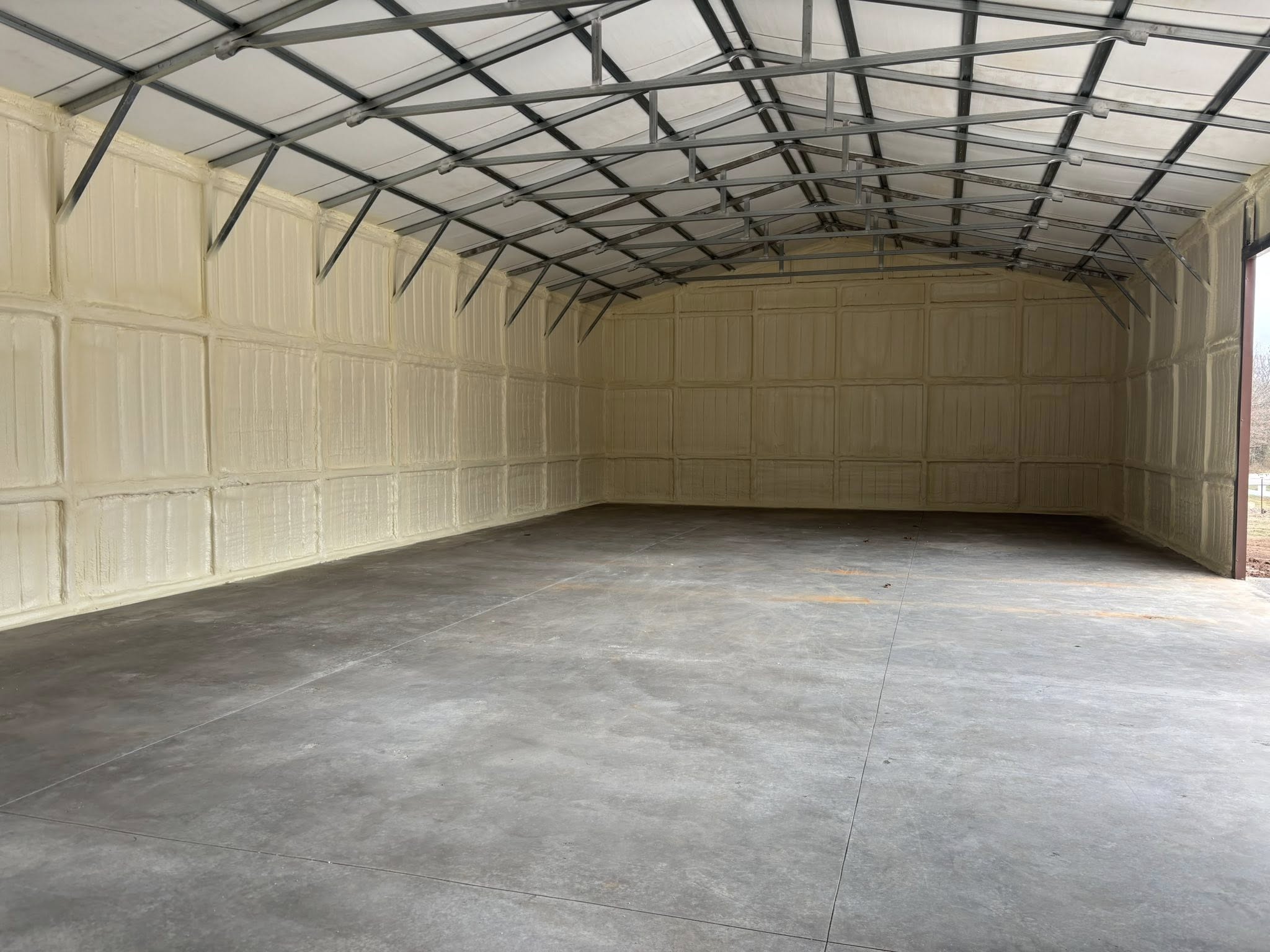
In hot and humid climates, the goal of insulation is not only to keep the cool air inside but also to prevent moisture build-up, which can lead to mold and mildew. Reflective insulation, such as radiant barriers, is highly effective in these regions. These materials reflect heat away from the home, providing excellent thermal resistance without contributing to moisture problems. Spray foam insulation is another great option, providing a seal that limits air leaks and adds an extra layer of moisture control.
Conversely, in colder climates, the focus shifts to keeping warm air from escaping. Fiberglass batts and rolls or blown-in cellulose insulation are traditional choices that work well in these areas. They trap air pockets, preventing heat from transferring out of your home. Additionally, closed-cell spray foam can be an excellent option, offering one of the highest R-values per inch, which is crucial for withstanding frigid temperatures.
In more temperate climates, where winters are mild and summers are warm, you need a versatile insulation approach. A combination of batt insulation and foam board insulation can provide a balanced solution. The batt insulation acts as a general barrier for thermal exchange, while foam boards can be applied to problem areas such as attics or basements where additional reinforcement is needed.
Regardless of the climate, attics are a critical area for insulation for all homes, as significant energy losses can occur here. Given their responsiveness to temperature changes, ensuring adequate attic insulation can improve overall home efficiency. Air sealing along with appropriate attic floor insulation creates a thermal barrier that traps conditioned air inside your home.
Moreover, considering environmental sustainability is increasingly important. Eco-friendly insulation options such as sheep’s wool or recycled denim not only provide effective thermal performance but also minimize environmental impact. These materials work well in a variety of climates, offering an eco-conscious option for homeowners.
Before making a final decision, consider consulting with a reliable insulation contractor like 7C Insulation. Our experts provide comprehensive assessments to determine the most effective insulation strategy tailored to your specific climate and home layout. Proper installation is just as important as selecting the right material, ensuring peak performance and longevity of your insulation.
In conclusion, understanding your climate zone and the unique demands it places on your home is paramount in choosing the right insulation. By selecting the appropriate insulation for your region, you can enhance comfort, optimize energy use, and save on energy costs. At 7C Insulation, we are committed to providing expert guidance and high-quality services to ensure your home remains comfortable and efficient year-round. Reach out to us for a consultation, and let our professional team tailor an insulation solution that meets your climate needs and personal preferences.
/filters:no_upscale()/filters:format(webp)/media/f8a5e058-a62d-41ce-9049-4ba805e9ca5b.jpeg)